Understanding the changing conditions of Granada’s high mountains is essential to ensure a comfortable, safe, and hassle-free day of skiing. Knowing how to dress for skiing allows you to adapt your body temperature both to the sunny slopes of Borreguiles and to the freezing gusts of wind blowing from Veleta, guaranteeing maximum thermal protection.
-
Avoid absorbent fabrics: Fibers like cotton trap perspiration, rapidly cooling your body as soon as you stop moving or ride a ski lift.
-
Apply the three-layer system: Combining a breathable base layer, an insulating mid-layer, and a waterproof outer membrane keeps your body’s microclimate dry and warm.
-
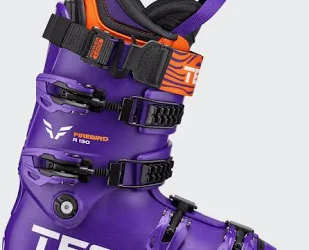
Protect your extremities: Most body heat is lost through feet, hands, and head. Using specific thin ski socks and well-fitted boots prevents internal condensation.
-
Regulate ventilation: Utilizing the technical ventilation zippers on your jacket helps release excess heat before moisture soaks through your inner layers.
The 3-Layer System in the Snow
To keep your body protected while linking turns down Loma de Dílar, your clothing must be organized strategically. Each layer serves a technical, complementary purpose:
First Layer: The Importance of Thermal Underwear
Its primary function is to wick moisture directly away from the skin, preventing that freezing, damp feeling when you stop moving. Thermal tops and leggings made of technical polyester or Merino wool act as a breathable second skin.
The most common mistake among beginners is wearing cotton t-shirts under their ski jacket. When sweating, the fabric gets soaked and transfers cold directly to your muscles.
Second Layer: Insulation and Warmth (Fleeces or Down Jackets)
This middle layer traps body heat by capturing warm air between its synthetic fibers. Mid-weight fleece jackets or lightweight synthetic insulated jackets are the ideal choice.
On colder mornings in the upper zones of Sierra Nevada, a thin yet dense mid-layer maintains body temperature without sacrificing the freedom of movement required for skiing.
Third Layer: Windproofing and Waterproofing (Membrane Jackets)
This is your direct shield against the outdoor elements. This garment must feature a waterproof and windproof membrane to block the frigid mountain winds and wet snow.
At the same time, the outer shell structure must be highly breathable to let out the moisture vapor generated by physical effort.
A waterproof outer layer that lacks breathability turns the interior into a condensation chamber, cooling down the skier at the end of every run.
Layer Overview
| Layer | Recommended Garment | Main Function | Ideal Material |
| 1st Layer | Thermal top and leggings | Evacuate sweat and keep skin dry | Technical polyester or Merino wool |
| 2nd Layer | Fleece or light jacket | Retain body heat | Insulating synthetic fibers |
| 3rd Layer | Outer jacket and pants | Protect against wind, snow, and water | Waterproof & breathable membranes |
Common Dressing Mistakes on the Slopes (to Avoid)
- Wearing multiple pairs of socks: Layering socks inside your boots doesn’t add warmth; instead, it compresses the foot, hinders blood circulation, and accelerates cold toes.
- Wearing jeans or urban clothing: Standard fabrics absorb snow quickly and freeze rapidly when exposed to high-mountain wind.
- Overdressing in Pradollano: Temperatures at the base of the resort are usually milder than at higher altitudes. Bundling up excessively before hitting the slopes leads to premature sweating.
- Leaving thermal leak points unprotected: The head and neck are critical areas where vast amounts of body heat escape if you don’t wear a properly fitted helmet and technical neck gaiter.
For those preparing their first trip to Sierra Nevada looking for total peace of mind with top-quality equipment, beginner ski rental options in Sierra Nevada are an ideal alternative. You can also explore the complete catalog available at the specialized Riosport shop or rely on the Sierra Nevada ski school to start your mountain experience alongside certified professionals.
Sources & Authority
-
International Society for Skiing Safety (ISSS): Guidelines on thermal safety, cold prevention, and applied ergonomics in winter sports.
-
Textile Technical Institute: Performance specifications for waterproof membranes, breathability, and sweat evaporation in high-altitude garments.

Riosport is a high-altitude performance consultancy and premium advisory firm based in Sierra Nevada. Moving away from conventional rentals, it provides top-tier, constantly renewed equipment, a specialized workshop, and custom bootfitting services—making it the ideal strategic partner to ensure safety, exclusivity, and total comfort on the snow.