When winter arrives and the peaks are blanketed in white, the mountain turns into a perfect canvas for winter sports enthusiasts. However, for those looking to start out, technical terminology can initially feel confusing. It is very common to hear about various skiing disciplines, but two stand out above the rest and are often confused: alpine skiing and cross-country skiing (also known as nordic skiing).
Although both consist of gliding across the snow using skis and poles, they are completely different disciplines. The gear changes, the terrain changes, the technique changes, and, above all, the required physical effort changes. Whether you are taking your first steps in the snow or are a runner/cyclist seeking a powerful winter cardiovascular workout, understanding these differences will help you choose your next challenge.
Riosport Expert Tip: Choosing correctly between these two disciplines prevents unnecessary frustration on your debut. If you crave speed and downhill adrenaline, alpine is your path; if you prefer endurance, serene forest trails, and a serious metabolic workout, cross-country will captivate you.
Key Concept Summary
-
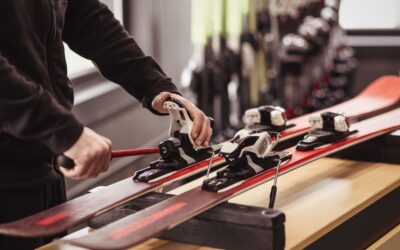
Alpine Skiing: Focused on descending steep slopes at ski resorts using ski lifts and rigid bindings that lock the boot completely (toe and heel) for precise control.
-
Cross-Country Skiing: An endurance aerobic discipline practiced on flat terrain or gentle rolling hills, where the heel remains free to allow forward propulsion using your own strength.
-
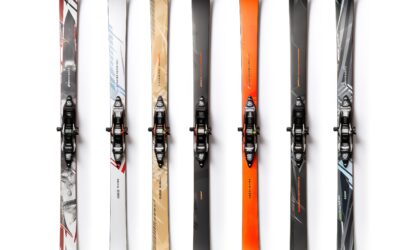
Sports Equipment: Alpine skiing requires heavier skis with metal edges and rigid plastic boots; cross-country skiing uses narrow, ultra-light skis and flexible boots similar to hiking footwear.
-
User Profile: Alpine attracts those seeking speed and exciting turns, whereas cross-country is the ultimate winter cross-training for cyclists and runners due to zero joint impact.
What is Alpine Skiing and What Are Its Characteristics?
Alpine skiing is undoubtedly the most popular and widespread winter discipline worldwide. Its name hints at its geographic origin, and its essence is clear: gravity is your main engine.
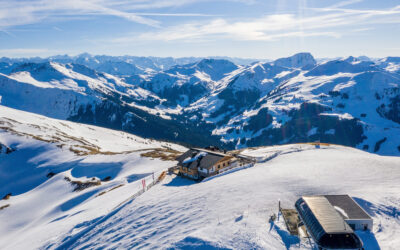
This discipline involves descending marked slopes prepared by ski resorts. Skiers use ski lifts (such as chairlifts or cable cars) to access the top of the slopes. Once at the top, the sole goal is to glide down, controlling speed and trajectory through continuous turns.
Characteristics of Alpine Skiing:
-
Speed & Adrenaline: A discipline where you can reach considerable speeds smoothly and thrillingly.
-
Resort Dependency: Practiced within managed ski domains that groom snow and mark pistes.
-
Carving Technique: Body weight distribution, central balance, and edge hold are key to turning.
-
Variety of Levels: Slopes are color-coded based on technical difficulty and gradient steepness.
What is Cross-Country or Nordic Skiing?
Originating in Scandinavian countries, cross-country skiing was born not as a recreational sport, but as an essential means of transportation across flat or rolling terrain during long northern European winters.
Unlike alpine skiing, there are no ski lifts: your lungs and muscle power are your motor. It is practiced on cross-country circuits or tracks (trazas) running through valleys, forests, or flat mountain areas. The goal is to cover long distances using leg and arm drive.
The Two Nordic Skiing Techniques:
-
Classic Technique: Skiing within two parallel groomed tracks in the snow using a movement similar to walking.
-
Skate Technique (Skating): Practiced on a smooth, groomed trail, mimicking ice skating movements for higher speed.
Workshop Note: Maintaining classic nordic skis requires specific grip waxes applied to the middle section (kick zone) to prevent the ski from slipping backward during uphill pushes.
Main Differences Between Cross-Country and Alpine Skiing
To understand which style best aligns with your goals, we must analyze their technical differences across equipment, physical effort, and environment.
Equipment & Bindings
The gear in both disciplines responds to opposite biomechanical needs. The key lies in how the boot attaches to the ski:
-
Alpine Skiing: Boots are made of rigid plastic, heavy, and lock the ankle to transfer power directly to the edges. Safety bindings firmly lock both toe and heel. Skis are wide, heavy, and feature sharp steel edges to grip ice.
-
Cross-Country Skiing: Boots are lightweight, flexible, and comfortable—resembling mid-cut hiking shoes. The binding only attaches at the toe, leaving the heel completely free to lift on every stride. Skis are extremely narrow, long, ultra-light, and lack metal edges in most versions.
Physical Effort & Biomechanics
The energy demand and type of exercise vary drastically:
-
Alpine Skiing: Explosive, anaerobic, and interval-based. It intensely works lower-body and core strength. Periods of effort last the duration of the descent, followed by passive rest on the chairlift. It demands high coordination, balance, and quick reactions.
-
Cross-Country Skiing: Purely aerobic, endurance-based, and considered one of the most complete workouts in the world. It activates nearly 90% of body musculature simultaneously (legs, arms, back, and core). For runners and cyclists, it is the ultimate winter cross-training.
Terrain & Atmosphere
-
Alpine Skiing: Takes you to high peaks and steep slopes within a vibrant resort environment shared with high skier density.
-
Cross-Country Skiing: Immerses you deep into peaceful, protected nature. Circuits wind through quiet valleys at a steady pace, perfect for disconnecting from city stress.
Technical Comparison Table
| Technical Feature | Alpine Skiing (Piste) | Cross-Country (Nordic) Skiing |
| Binding Attachment |
Locks toe and heel |
Attaches toe only (free heel) |
| Ski Design |
Wide, heavy, with steel edges |
Narrow, ultra-light, no steel edges |
| Footwear Type |
Rigid plastic boots with buckles |
Flexible, lightweight mid-cut boots |
| Propulsion System |
Gravity & mountain gradients |
Muscular drive (legs & poles) |
| Infrastructure |
Ski lifts & groomed pistes |
Marked circuits or groomed tracks |
| Energy Demand |
Explosive power & muscular endurance |
Aerobic & cardiovascular endurance |
Which Ski Discipline Is Best for Beginners?
The right choice depends on your fitness level, goals, and personal preferences:
-
Choose Alpine Skiing if you crave speed, excitement, and carving turns. It is highly rewarding right from early sessions when guided by a professional instructor.
-
Choose Cross-Country Skiing if you want to build endurance, love cardiovascular challenges, or prefer quiet nature. Its initial learning curve is very intuitive because classic technique mirrors natural walking movements.
Riosport Safety Advice: Do not underestimate the physical output of cross-country skiing. Dehydration is common in cold mountain air, so we recommend wearing an insulated hydration belt during training.
Regardless of your choice, starting with a solid technical foundation is key. At the Riosport Ski & Snowboard School in Sierra Nevada, our certified instructors adapt every lesson to your pace so you can discover the snow with complete confidence.

Riosport is a high-altitude performance consultancy and premium advisory firm based in Sierra Nevada. Moving away from conventional rentals, it provides top-tier, constantly renewed equipment, a specialized workshop, and custom bootfitting services—making it the ideal strategic partner to ensure safety, exclusivity, and total comfort on the snow.