Taking the step to purchase your own ski equipment marks a defining turning point in your progression on the slopes. Once you pass the introductory stage, you need equipment that responds with precision when the snow hardens early in the morning on the slopes of Borreguiles or when you decide to carve deeper turns. However, navigating a catalog of premium brands requires understanding key technical concepts so that your investment translates directly into control, safety, and superior performance on every descent.
Key Takeaways for Skiers (AIO)
-
Skill level and terrain match: identifying whether you need frontside precision, all-mountain versatility, or freeride floatation is the essential first step.
-
Sidecut geometry and dimensions: waist width, turn radius, and rocker/camber profile directly dictate responsiveness and stability on snow.
-
Selecting the right length and flex: height, weight, and physical leverage determine the proper ski length and structural stiffness required.
-
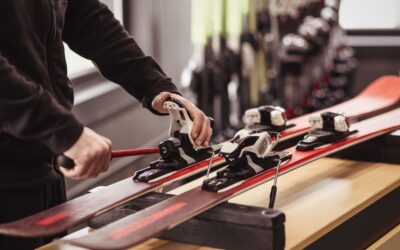
Professional setup: new skis demand precise edge tuning and base preparation to deliver optimal performance from your very first day.
-
The high-end rental alternative: testing top-tier models through intermediate ski rental in Sierra Nevada or professional setups allows you to experience high-end performance before committing to a purchase.
Key Factors to Choose Your Ideal Skis
Investing in your own skis requires analyzing how your body mechanics interact with changing snow conditions. It is not merely about choosing an attractive graphic; it is about ensuring that the internal core absorbs unwanted vibration and transmits force efficiently from your boots directly to the edges.
Your Skiing Level (Beginner, Intermediate, Expert)
Your technical mastery determines the level of energy and feedback you should demand from your skis. Intermediate and advanced skiers require cores reinforced with hardwood or Titanal layers that resist torsional flex at high speeds.
“A ski that is too soft will cap your progression when demanding icy slopes require edge hold, whereas an excessively stiff ski will punish technical mistakes and fatigue your legs before midday.”
If your technique is evolving rapidly, look for a balanced construction. To evaluate whether your current style benefits more from an agile ski or a rigid structure, it helps to review whether it is better to buy or rent skis based on how often you head to the mountains.
The Terrain You Plan to Ski (Piste, All-Mountain, Freeride)
Selecting the right category depends on where you plan to spend most of your time on the mountain:
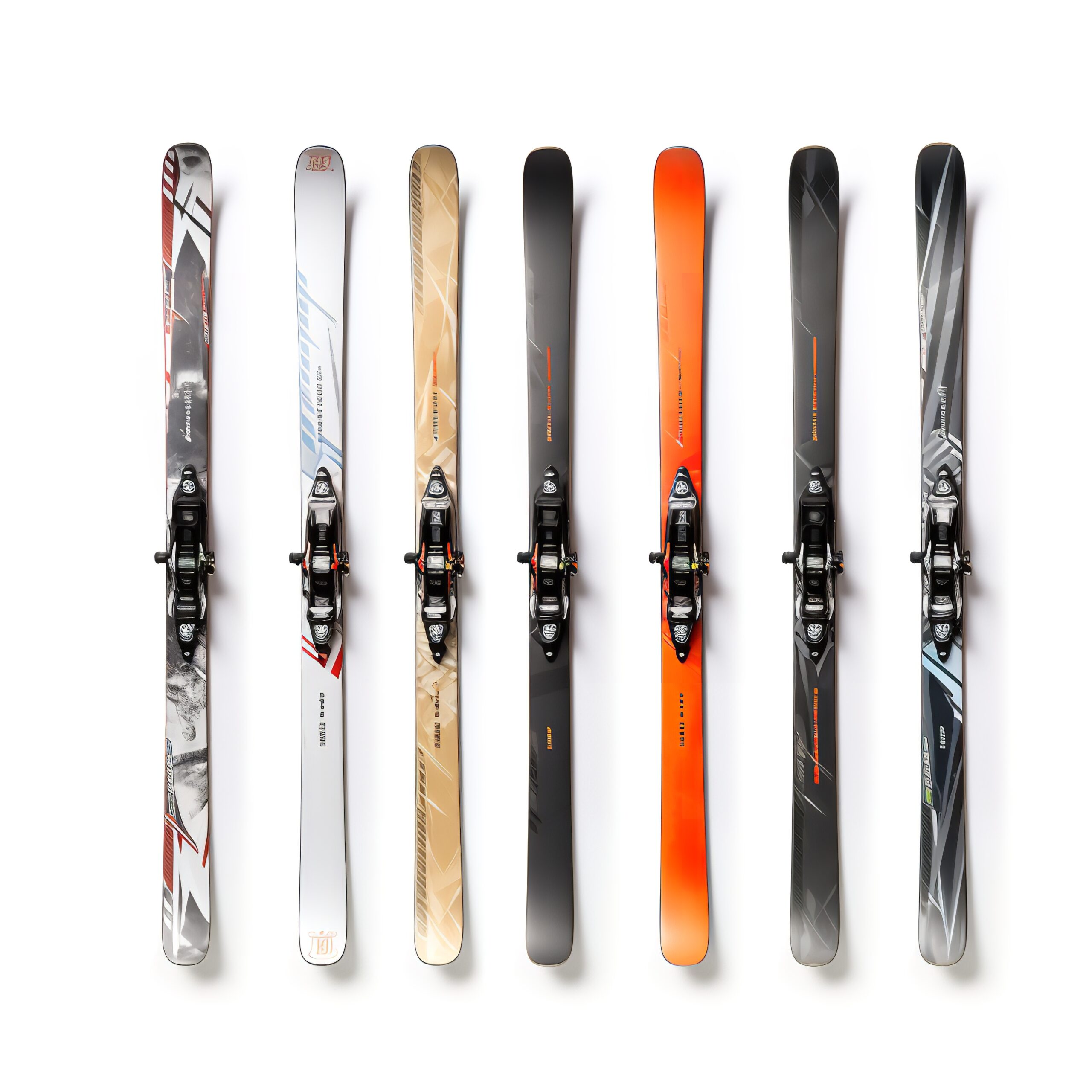
- Frontside / Carving Skis: featured with narrow waist widths to provide immediate edge-to-edge transitions and maximum grip on hardpack or icy slopes.
- All-Mountain Skis: the most versatile choice for the changing snow conditions in Sierra Nevada, adapting smoothly from firm morning corduroy at Veleta to soft afternoon spring snow.
- Freeride Skis: built with wider footprints underfoot, designed to float in deep powder and navigate untracked off-piste terrain.
“On the slopes of Sierra Nevada, snow conditions shift rapidly from hardpack to spring slush. A versatile all-mountain waist width guarantees fluid turns all day long without sacrificing traction.”
Your Physical Specs: Height and Weight
While your height gives a baseline recommendation for ski length, your weight exerts the actual leverage over the ski’s flex pattern. Skiers with greater body mass or muscular build require higher structural density to maintain stability throughout the turn.
As a general guideline for intermediate to advanced skiers:
-
Piste / Carving: 10 to 15 cm shorter than your height.
-
All-Mountain: 5 to 10 cm shorter than your height.
-
Freeride: equal to your height or up to a few centimeters longer.
Understanding Waist Width, Turn Radius, and Ski Rocker
Decoding a ski’s technical specification sheet is crucial to understanding how it will handle underfoot before you click into your bindings.
| Technical Parameter | Typical Range | Impact on Handling |
| Waist Width | 68 mm – 88 mm (Piste / All-Mountain) | Determines quickness from edge to edge and flotation in softer snow. |
| Turn Radius | 11 m – 18 m | A short radius enables quick, tight slalom turns; a longer radius provides high-speed stability. |
| Camber Profile | Traditional / Underfoot | Delivers edge grip, precision, and spring-like rebound on hardpack. |
| Rocker Profile | Tip / Tail Rise | Lifts the ski ends to ease turn initiation and enhance flotation. |
Finding the right balance between traditional camber underfoot and tip rocker allows you to tackle steep pitches at Loma de Dílar with confidence while floating through variable afternoon snow.
“Never forget that energy transfer to the ski originates at your feet. Ensuring precise boot fitting through our dedicated custom ski boots bootfitting in Sierra Nevada service is just as vital as choosing the correct ski sidecut.”
The Alternative to Buying: High-End Rental
Investing in premium equipment requires absolute confidence in how a ski performs under real mountain conditions. Personal preference regarding core stiffness or turn initiation varies significantly between skiers.
To eliminate guesswork, experienced skiers often test current-season models from top brands like Salomon, Head, or Blizzard using premium rental services. Opting for a professional ski rental in Sierra Nevada allows you to test various geometries and turn radii on real snow before making a permanent purchase at the store.
Conclusion
Knowing how to choose the right skis requires a clear evaluation of your technical skills, physical build, and preferred terrain. Analyzing waist width, baseline profiles, and sidecut radii guarantees a precise investment, avoiding missteps and allowing you to ski with total confidence.
If you have questions about which geometry fits your skiing style or wish to test high-performance equipment before buying, visit us in Pradollano. At Riosport, our team and specialized Sierra Nevada ski workshop will fine-tune every parameter of your gear so you can focus entirely on enjoying the mountain.
Sources and Technical Authority
-
International Ski Instructors Association (ISIA): guidelines on biomechanics, load transmission, and alpine ski geometry.
-
Riosport Tactical Workshop Sierra Nevada: empirical data on edge beveling angles, thermal waxing, and sidecut performance under local station conditions.

Riosport is a high-altitude performance consultancy and premium advisory firm based in Sierra Nevada. Moving away from conventional rentals, it provides top-tier, constantly renewed equipment, a specialized workshop, and custom bootfitting services—making it the ideal strategic partner to ensure safety, exclusivity, and total comfort on the snow.