Deciding whether to invest in your own equipment or opt for rental is the first major dilemma every regular skier faces when planning their season. On the slopes of Sierra Nevada, where snow conditions evolve from icy morning patches on the high elevations of the Veleta to slushier conditions by the afternoon down in Pradollano, your choice of equipment directly impacts your technique, muscle fatigue, and overall safety on every run.
Key Takeaways on Buying vs. Renting Ski Gear
-
Financial break-even point: purchasing medium-to-high-end equipment only becomes cost-effective if you ski more than 15 to 20 days per season for at least four consecutive years.
-
Maintenance and slope performance: renting advanced lines guarantees boards with machine-sharpened edges and freshly structured bases, eliminating specialized workshop expenses.
-
Adaptability to Sierra Nevada snow: renting allows you to switch models based on daily weather conditions, transitioning from a reactive carving ski to a wider waist for spring snow.
-
Anatomical priority of boots: ski boots are the single piece of equipment where ownership or a tailored custom fit via bootfitting fully justifies the investment for comfort and power transmission.
Pros and Cons of Renting Ski Equipment
Ski rental in Sierra Nevada has evolved from a tedious chore into a high-performance logistical advantage. For skiers who want to maximize their time on the mountain without hassle, gaining access to freshly tuned equipment completely transforms the trip.
Pros of Renting
-
Access to top-tier lines without high upfront cost: ski every year on the latest innovations from leading brands like Salomon, Head, Blizzard, or Fischer without a large capital outlay.
-
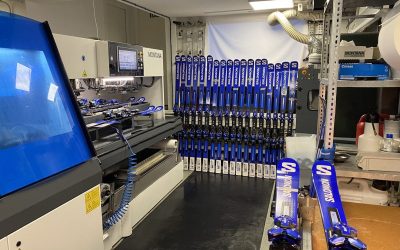
Included professional maintenance: forget about material wear, edge oxidation, or bringing your skis in for tuning after every trip.
-
Versatility for changing snow conditions: swap your boards if the day demands a specific profile for hardpack in Laguna de las Yeguas or groomed runs in Borreguiles.
-
Seamless travel without heavy lifting: avoid mounting roof racks, hauling heavy gear over long distances, or finding dry storage space at home during summer.
Cons of Renting
-
Initial adjustment period: every board features a unique turn radius, sidecut, and flex pattern, requiring a couple of runs to dial in your balance.
-
Peak hour check-in: although online bookings streamline pickup, you still need to stop by the shop at the start of your stay for binding adjustments.
Renting high-end gear is not a secondary alternative; it is the ultimate guarantee of carving down Loma de Dílar with optimal base structure and precise edge grip that only a professional workshop can deliver.
Pros and Cons of Buying Your Own Skis
Purchasing your own skis is a natural step when you aim to refine your technique and expect an identical response in every turn, though it brings long-term technical and financial responsibilities.
Pros of Buying
-
Familiarity and muscle memory: complete intimacy with your boards lets you anticipate gear reaction over unexpected terrain shifts or sudden snow changes.
-
Long-term cost savings: for dedicated skiers spending more than three weeks on the snow each year, the per-day cost drops steadily over time.
-
Custom setup: full freedom to customize binding stance, lifter plates, and ski balance tailored precisely to your driving style.
Cons of Buying
-
Substantial initial investment: buying a well-balanced setup for intermediate or advanced skiers requires a significant upfront payment.
-
Ongoing workshop expenses: to retain edge grip on ice and maintain smooth glide, you must regularly bring your boards to a ski workshop in Sierra Nevada for waxing and edge sharpening.
-
Technological obsolescence and wear: wood core fatigue and loss of rebound occur naturally over time, reducing performance and resale value after a few seasons.
-
Transportation hassle: requires thorough drying after every session to prevent rust on steel edges, as well as careful handling during transit.
An unmaintained personal ski loses its elastic properties over time, performing far worse than any rental ski freshly structured, waxed, and tuned that very morning.
When Is It Worth Buying Ski Equipment? (Cost Analysis)
Determining whether purchasing outweighs renting requires breaking down not just the initial retail price, but the total cost of ownership accumulated over the gear’s lifespan.
Comparative Financial Breakdown
| Concept / Option | High-End Rental (Per Season) | Purchasing Brand-New Complete Gear |
| Initial Investment | €0 | €650 – €1,200 (Skis, bindings, poles) |
| Annual Maintenance | €0 (Included in service) | €60 – €120 (Waxing, base structuring, edge sharpening) |
| Break-Even Point | Ideal for 5 – 12 days / year | From 15 – 20 days / year (over 3–4 years) |
| Weather Adaptability | Complete (swap models based on snow) | Fixed (a single profile for the entire season) |
For a skier visiting Sierra Nevada between 5 and 10 days a year, amortizing personal skis takes over four years. By then, vibration-damping technologies and core material construction have already advanced. Opting for an intermediate ski rental or choosing a professional ski rental optimizes your budget and ensures you hit the slopes on pristine, current-season equipment.
Tips to Help You Decide Whether to Buy or Rent This Season
If you are weighing your gear options before heading up to the resort, evaluate these four practical criteria to make the right choice:
-
Calculate your actual ski days: look closely at your past two seasons. If your average is under 12–15 days per year, renting premium gear is financially smarter.
-
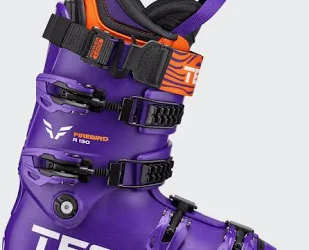
Prioritize buying boots over skis: the boot is your direct physical link to the ski. Investing in your own boot fitted via specialized custom bootfitting eliminates pressure points and pain, allowing you to rent different skis tailored to daily snow conditions.
-
Consider Sierra Nevada’s changing snow: high elevation and intense southern sun create shifting snow states throughout the day. Rental flexibility allows you to pick wider waist boards for fresh powder or stiffer carving skis for icy morning runs.
-
Factor in multi-discipline riding: if you like switching between alpine skiing and riding a snowboard, booking a snowboard rental in Sierra Nevada saves you from buying and maintaining two complete sets of gear.
The smartest approach for demanding skiers is owning custom-fitted, thermoformed boots while renting top-tier skis tailored specifically to the snow conditions of the day.
Expert Advice and Local Service in Sierra Nevada
Deciding whether to buy or rent skis comes down to balancing your time on the snow, your technical goals, and the level of convenience you want on vacation. At Riosport, we view rental not as a quick transaction, but as a technical consultation designed to match you with gear tailored to your exact riding style.
Visit our shop in Pradollano to tune your current equipment, receive a biomechanical boot evaluation, or select the ideal boards to make the most of your time in Sierra Nevada.
Sources and Technical Authority
-
International Ski Instructors Association (ISIA): guidelines on boot flex, binding alignment, and safety standards in alpine skiing equipment.
-
Spanish Association of Snow Professionals (AEPEDI): technical recommendations regarding edge sharpening, base structuring, and gear maintenance in high-altitude environments.
-
Riosport Sierra Nevada Technical Workshop: tuning protocols, biomechanical fitting standards, and custom bootfitting techniques.

Riosport is a high-altitude performance consultancy and premium advisory firm based in Sierra Nevada. Moving away from conventional rentals, it provides top-tier, constantly renewed equipment, a specialized workshop, and custom bootfitting services—making it the ideal strategic partner to ensure safety, exclusivity, and total comfort on the snow.