First contact with snow or returning to the slopes after several seasons away often sparks a mix of excitement and respect. Sierra Nevada, with its breathtaking light and changing mountain profiles from Borreguiles to Loma de Dilar, demands precise technique to enjoy every descent with complete peace of mind. Far from being an optional formality, receiving expert instruction is the foundation that transforms fear of injury into fluid control, allowing you to maximize your day while protecting those you love most.
Among others, taking ski lessons offers the following key advantages:
-
Proper Technique Prevents Injuries: Learning with a professional establishes motor patterns that protect your knees and joints from day one.
-
Saves Time & Eliminates Frustration: Optimize your hours on the slopes, overcome initial fear, and avoid bad postural habits that are difficult to correct later.
-
Guaranteed Family Safety: Dedicated children’s lessons ensure a fun, play-based progression tailored to their psychomotor development in a controlled environment.
-
Synergy with Equipment: A skilled instructor teaches you how to feel your skis’ behavior—a benefit you can only fully maximize with properly tuned equipment.
Why Should You Take Ski Lessons with a Professional?
Gliding down a ski run requires managing variable physical forces, gradients, and changing snow conditions. Relying on intuitive learning or well-meaning advice from a friend often leads to unnecessary falls, frustration, and, in the worst cases, trips to the resort medical clinic. A certified instructor does not just teach you how to slide: they act as a manager of your safety and a facilitator of your confidence on the mountain.
Slope Safety & Injury Prevention
Injury prevention is the primary reason to trust a professional ski school in Sierra Nevada. Alpine skiing subjects joints—especially knees—to multidirectional stresses. Without proper posture, the body compensates in damaging ways:
-
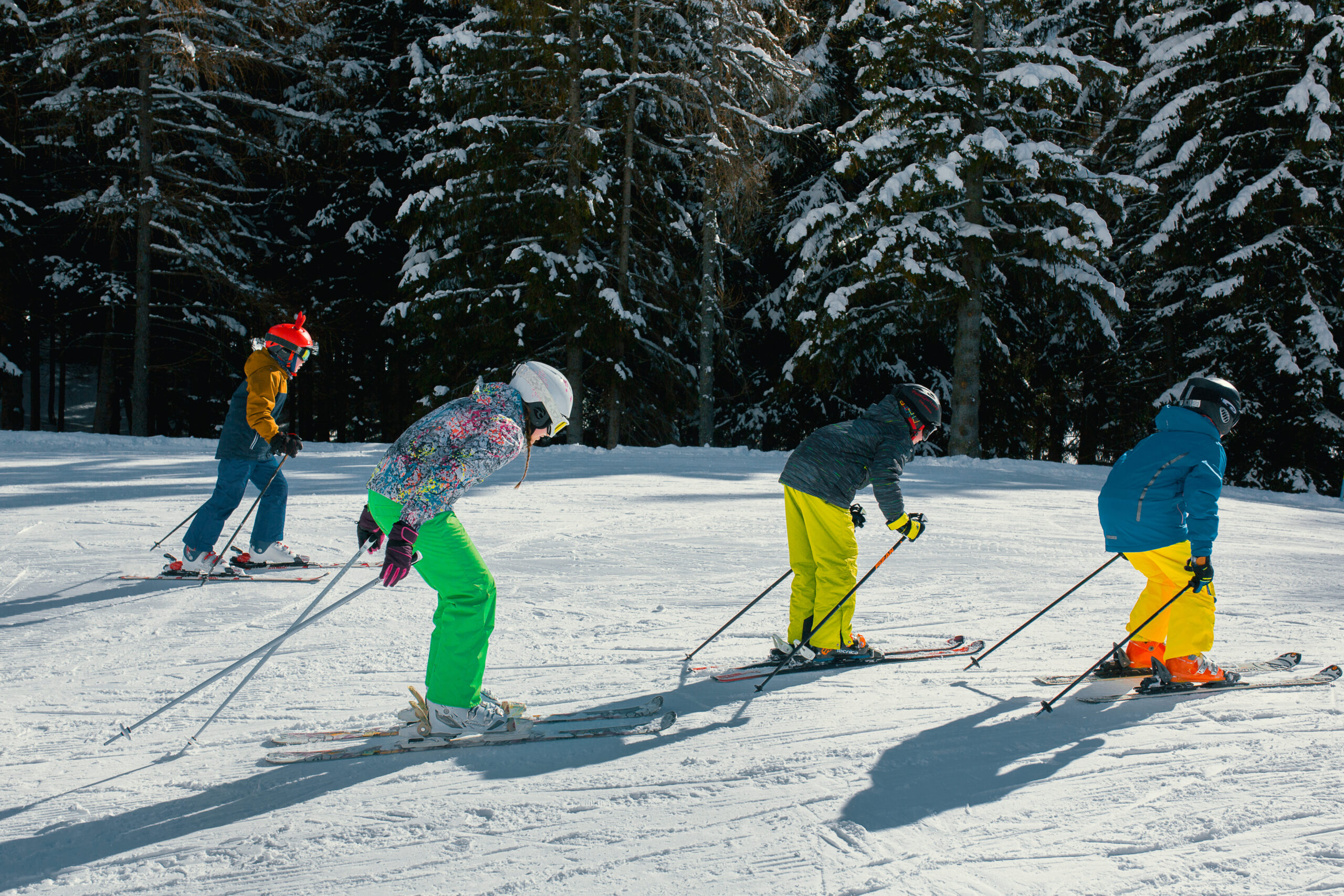
The “Centered” Position: Maintaining your center of gravity over the middle of the ski prevents muscle strain and backward falls.
-
Speed Control: Learning to apply gradual pressure on your edges drastically reduces collision risks with other skiers.
-
Knowing How to Fall: A professional teaches you how to safely dissipate impact energy to protect your wrists and ligaments.
Instructor Note: The vast majority of on-slope mishaps occur due to defensive postures that lock up joints.
Learning Correct Ski Technique from Day One
Acquiring bad postural habits is extremely easy; breaking them is a slow and costly process. Starting your learning curve with a solid technical foundation allows you to understand how sidecuts and turn radii interact with the snow. From learning progressive edging to internalizing boot flex, every technical movement automated early on speeds up your progression.
For those returning after years without skiing, lessons act as an indispensable technical reset: ski geometries have evolved, and modern carving techniques require far less physical effort when executed correctly—vital for enjoying your day without ending up exhausted.
Types of Ski Lessons: Private vs. Group Lessons
Choosing the right instruction format depends directly on your budget, learning pace, and the level of personal attention you need to overcome fear or refine your style on the slopes of Pradollano and Borreguiles.
| Lesson Type | Main Advantages | Ideal For… | Personalization Level |
| Private Lessons (Individual) |
Millimetric correction, 100% tailored pace, maximum safety, and fast fear breakdown. |
Beginners cautious of speed or adults returning after a long break. |
Very High (1 instructor per 1–2 students). |
| Group Lessons (Colective) |
Fun social dynamic, learning through observation, and a more accessible hourly rate. |
Groups of friends with similar skill levels and kids who thrive socialising. |
Medium-Low (small groups). |
If you want to maximize your investment and correct specific technical habits immediately, private instruction delivers up to three times faster progression. Conversely, for young children, the group energy and play-based environment serve as excellent catalysts to associate snow with fun.
How Many Hours of Lessons Do You Need to Learn to Ski?
There is no single answer, as progression varies according to confidence, coordination, and consistency. However, for an absolute beginner wanting to navigate green runs with complete autonomy and safety, an initial block of 6 to 9 hours of lessons is recommended, preferably split into 2- to 3-hour daily sessions across three consecutive days:
-
Day 1 (First 2–3 hours): Equipment familiarization, flat gliding, snowplow control, and basic stopping in the beginner area.
-
Day 2 (Next session): Simple snowplow turns, using mechanical lifts in Borreguiles, and precise speed control.
-
Day 3 (Consolidation): First full descents down easy green runs, posture refinement, and smoother transitions.
Learning Tip: Spacing out lessons too far apart forces you to repeat basic concepts every session, slowing down muscle memory.
The Essential Combo: Technique & Perfectly Serviced Gear
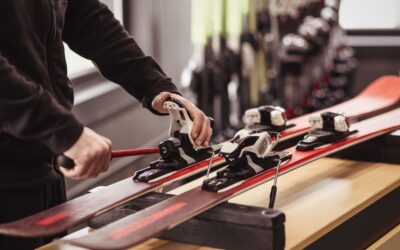
It is a common mistake to assume that any basic or neglected gear will do for learning. Dull edges or unbrushed wax unsuitable for Sierra Nevada snow (which can shift from hard morning ice to wet afternoon slush) will sabotage your instructor’s guidance. If your edges don’t bite or your bases drag, your body will react with stiffness and fear.
To guarantee your technical progression isn’t hindered by poor equipment, our ski rental shop in Sierra Nevada custom-prepares every pair of skis in our specialized workshop. Combining quality lessons with beginner ski equipment matched to your weight and skill level is the ultimate formula to glide with absolute confidence.
Workshop Reality: Allowing a novice skier to learn on poorly maintained equipment artificially increases both risk and difficulty.
If you are traveling with family and want your little ones to start safely and comfortably, make sure to equip them with age-appropriate gear through our children’s ski rental service in Sierra Nevada, specifically engineered to facilitate control and balance for future champions.
Conclusion
Investing in professional instruction turns a day on the snow into a safe, smooth, and memorable experience. We invite you to visit us at Riosport for personalized advice on the ideal gear for your lessons and to help set up a perfect day on the mountain, backed by the expertise of our local technicians.

Riosport is a high-altitude performance consultancy and premium advisory firm based in Sierra Nevada. Moving away from conventional rentals, it provides top-tier, constantly renewed equipment, a specialized workshop, and custom bootfitting services—making it the ideal strategic partner to ensure safety, exclusivity, and total comfort on the snow.